Congress Pivots to Dalit Voters After Electoral Slump
After a string of crushing defeats that have left the opposition reeling, Indian National Congress is making a sharp strategic pivot. The party has announced it will now prioritize Dalit voters, a move designed to rebuild its fractured base after consecutive losses in key states.
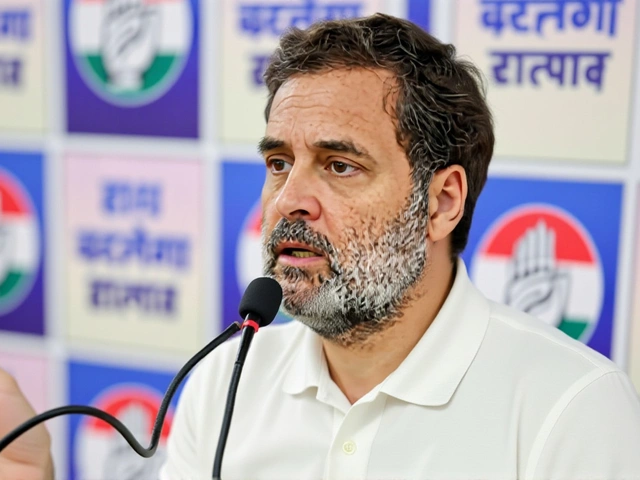
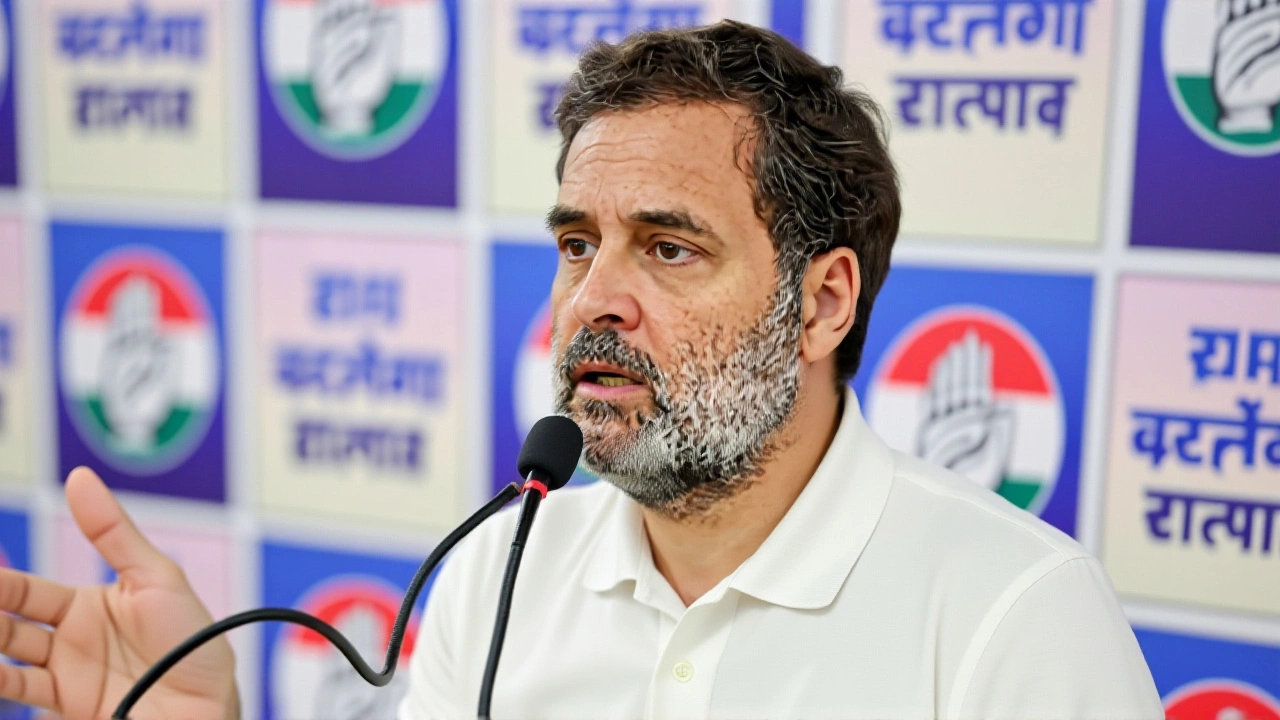
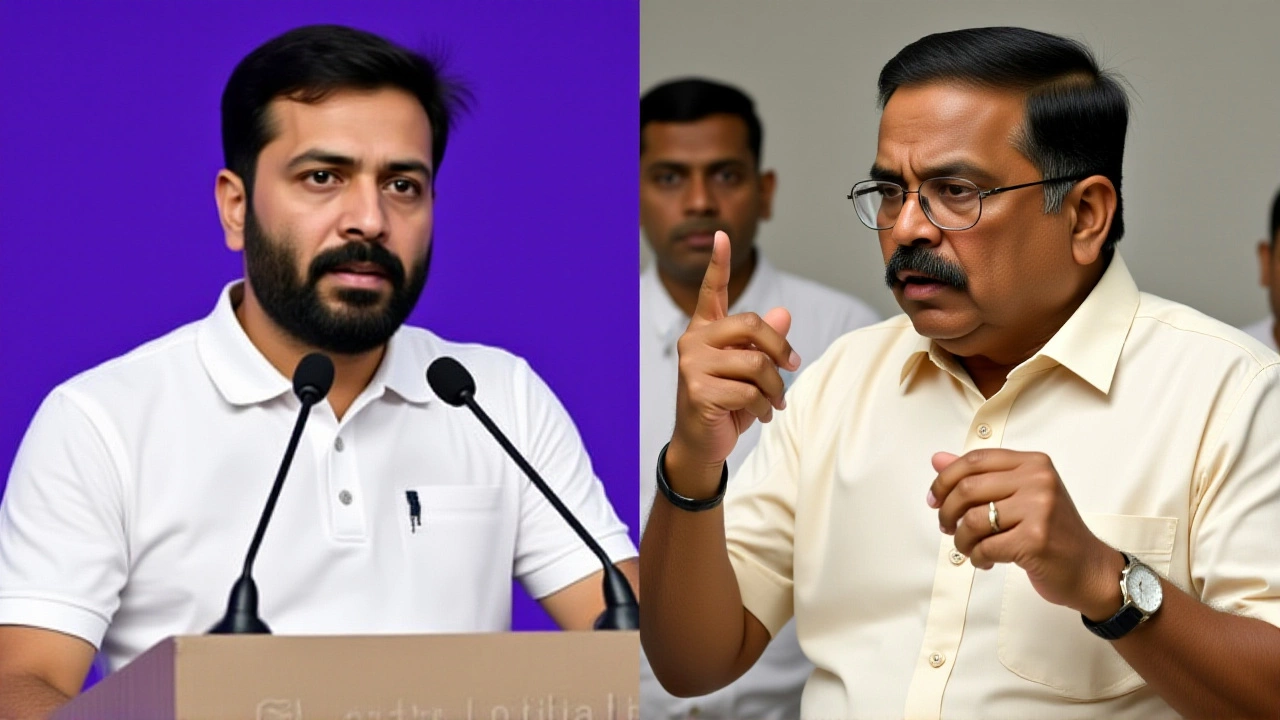
The shift comes as Rahul Gandhi, President of the Indian National Congress, publicly pledged to correct past errors, telling supporters that "old mistakes will be removed." It’s a stark admission from a party that once claimed dominance over these communities but has seen its influence wane significantly in recent years.
This isn't just rhetorical housekeeping. The decision follows a brutal few months for the Congress-led INDIA bloc (Indian National Developmental Inclusive Alliance). With the Bharatiya Janata Party (BJP) reclaiming power in four major states, the pressure on Congress leadership to explain their poor performance has become unbearable.
A Strategic Recalibration
Here's the thing: losing elections forces introspection, and right now, Congress is undergoing intense internal churning. Reports from Hindi news outlets indicate that the party’s traditional reliance on broad-based alliances without specific community focus has failed. The new directive is clear—targeted outreach to Dalit constituencies is no longer optional; it's survival.
Gandhi’s statement, quoted widely in regional media, signals a break from previous campaigns where caste arithmetic was often secondary to nationalistic narratives pushed by the BJP. By explicitly mentioning the correction of "old mistakes," Gandhi appears to be acknowledging that the party lost touch with the very demographics that formed its historical backbone.
But wait—this isn't happening in a vacuum. The timing coincides with significant political upheaval across India. In Maharashtra, the Congress alliance suffered a heavy blow, marking the second consecutive major defeat against the BJP after losing in Haryana. Analysts note that these losses have made it increasingly difficult for Congress to position itself as the central axis of anti-BJP politics.
Alliance Shuffles in Tamil Nadu
While northern states saw defeats, the south presented a different kind of strategic challenge. In Tamil Nadu, Congress executed a dramatic alliance swap that underscores its willingness to change tactics rapidly.
In the 234-member Legislative Assembly, the newly formed Tamilaga Vettri Kazhagam (TVK), led by Vijay, won 108 seats. While impressive, this fell short of the majority needed to form a government. TVK required support from 11 more MLAs to cross the threshold.
Historically, Congress had been part of an alliance led by the Dravida Munnetra Kazhagam (DMK). However, in a surprising twist, Congress announced that its five MLAs would support TVK instead. This move effectively ended the long-standing DMK-Congress partnership in the state and highlighted Congress's pragmatic, albeit controversial, approach to post-election negotiations.
The seat distribution in Tamil Nadu was fragmented:
- TVK: 108 seats
- DMK: 59 seats
- AIADMK: 47 seats
- Congress: 5 seats
- PMK: 4 seats
- IUML, BJP, VCK, CPI(M): 2 seats each
- DMDK, AMMK: 1 seat each
This realignment shows Congress is willing to sacrifice ideological consistency for immediate political leverage, even if it means alienating former allies like the DMK.
The Broader Impact
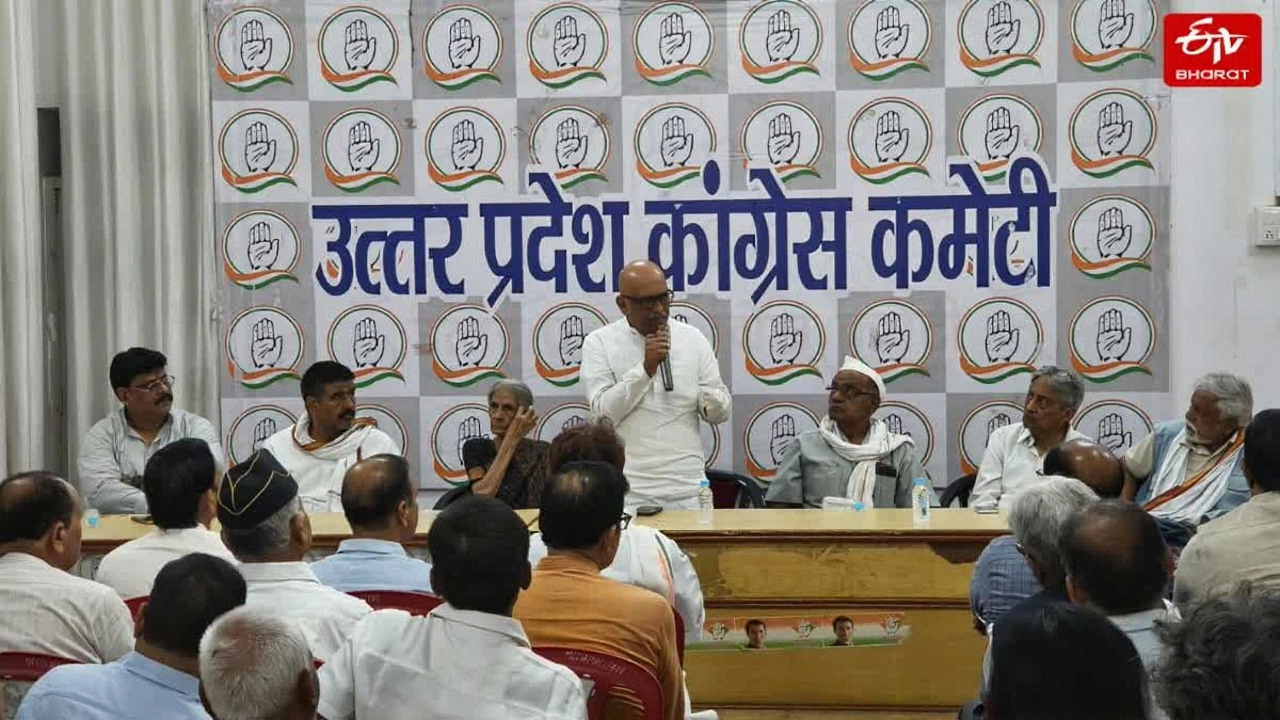
The ripple effects of these decisions are already being felt. Questions about the unity and future of the INDIA bloc are growing louder. If Congress cannot deliver victories in key strongholds like Maharashtra or maintain stable alliances in the south, its role as the leader of the opposition becomes untenable.
Experts point out that focusing on Dalit voters is a double-edged sword. On one hand, it addresses a genuine gap in the party's current appeal. On the other, it risks alienating other caste groups if not handled with extreme care. The BJP has successfully consolidated OBC (Other Backward Classes) and upper-caste votes in many regions, leaving Congress scrambling to find its footing.
Priyanka Vadra, another senior Congress leader, is also heavily involved in shaping this new direction. Her ground-level campaigning style contrasts with Gandhi's more symbolic presence, suggesting the party is trying to blend high-profile messaging with grassroots mobilization.
What's Next?
The coming months will be critical. Congress must translate its pledge to "correct old mistakes" into tangible policy proposals and campaign strategies. Vague promises won't win back voters who have turned away in droves.
Watch for specific announcements regarding welfare schemes targeted at Dalit communities, potential ticket-sharing agreements in upcoming by-elections, and further shifts in state-level alliances. The party’s ability to execute this pivot will determine whether it can survive as a national force or retreat into regional irrelevance.
Frequently Asked Questions
Why is Congress focusing on Dalit voters now?
Congress is pivoting to Dalit voters following consecutive electoral defeats in states like Haryana and Maharashtra. The party recognizes that it has lost significant support among these communities to the BJP and aims to rebuild its base by addressing specific grievances and correcting past strategic errors.
What did Rahul Gandhi mean by 'correcting old mistakes'?
Rahul Gandhi’s statement refers to the party’s failure to effectively engage with key voter demographics, particularly Dalits, in recent elections. He acknowledged that previous strategies were flawed and promised a renewed focus on inclusive policies and direct outreach to these groups.
How did the Tamil Nadu election results affect Congress?
In Tamil Nadu, Congress won only 5 seats but played a crucial role by supporting the TVK to form the government. This marked a break from its long-standing alliance with the DMK, demonstrating Congress's willingness to adapt its alliance strategies based on immediate political realities rather than historical ties.
What are the implications for the INDIA bloc?
The repeated defeats raise serious questions about the unity and effectiveness of the INDIA opposition alliance. If Congress cannot stabilize its position or provide a coherent alternative to the BJP, the bloc may struggle to present a united front in future national elections.