Delhi braces for rain as IMD issues red heat alert across North India
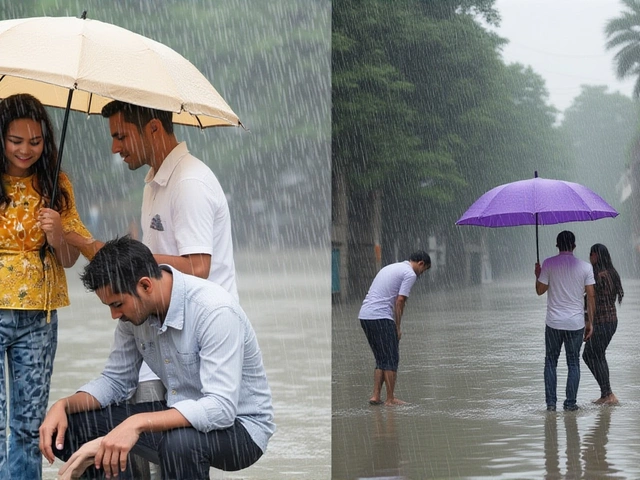
It’s a tale of two extremes gripping India right now. While millions in the north sweat through record-breaking temperatures, residents in the capital are being told to grab their umbrellas. The Indian Meteorological Department (IMD) has issued conflicting but simultaneous warnings: a severe "red alert" for deadly heatwaves in northern states, and an imminent arrival of the Southwest Monsoon that could bring heavy rains to New Delhi within days.
Here’s the thing—this isn’t just your typical seasonal shift. We’re looking at a meteorological tug-of-war. On one side, you have scorching heat pushing past 50°C in parts of Rajasthan and Punjab. On the other, a developing low-pressure system in the Bay of Bengal is gathering strength, promising relief—but also potential flooding—for millions.
The Heat Is On: Red Alert Across the North
Let’s start with the danger zone. The IMD hasn’t minored words; they’ve declared a red alert—the highest level of warning—for extreme heat across Rajasthan, Punjab, and Haryana. This isn’t just uncomfortable weather; it’s life-threatening.
Temperatures in Sri Ganganagar have already shattered expectations, while 20 other cities across the country reported readings above 44°C. In Agra, located in Uttar Pradesh, thermometers hit 45°C, and another location recorded a staggering 46.9°C. To put that in perspective, asphalt roads are softening, and outdoor labor has become nearly impossible during peak hours.
The IMD extended its previous heatwave alerts by several days, signaling that this isn’t a brief spike. It’s a sustained assault. Officials are urging people to avoid stepping out between 12 PM and 4 PM, the window when heatstroke risk peaks. Hospitals in these regions are on high alert for dehydration cases.
Monsoon’s Delayed Entrance
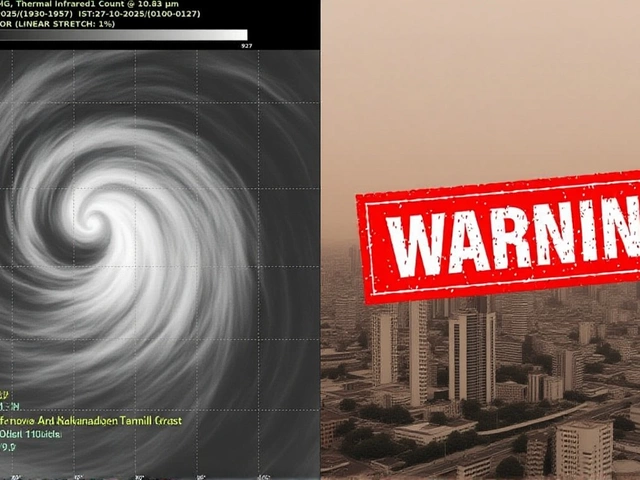
But wait—there’s a twist. Despite the furnace-like conditions, the Southwest MonsoonBay of Bengal is finally showing signs of movement. A new weather system has activated in the Bay of Bengal, which meteorologists say will strengthen over the next 48 to 72 hours.
This system is expected to push moisture northward. Here’s the timeline:
- Next 48-72 hours: The monsoon gains strength, moving toward central and eastern India.
- Next 2 days: Parts of Chhattisgarh and Odisha may see early monsoon showers.
- Following 3 days: Conditions favor monsoon entry into Gujarat, West Bengal, Jharkhand, and Bihar.
For New Delhi, this means the long-awaited rains might finally break the heat spell. But don’t pack away your raincoats yet—the transition period can be volatile, bringing sudden thunderstorms alongside lingering humidity.

What Experts Are Saying
"The delay was due to unprecedented heat patterns disrupting normal atmospheric circulation," explained a senior meteorologist speaking to news outlets. "Now that the Bay of Bengal system is active, we’re seeing rapid changes. However, the heat won’t vanish overnight. Northern states will remain under red alert until the monsoon fully establishes itself."
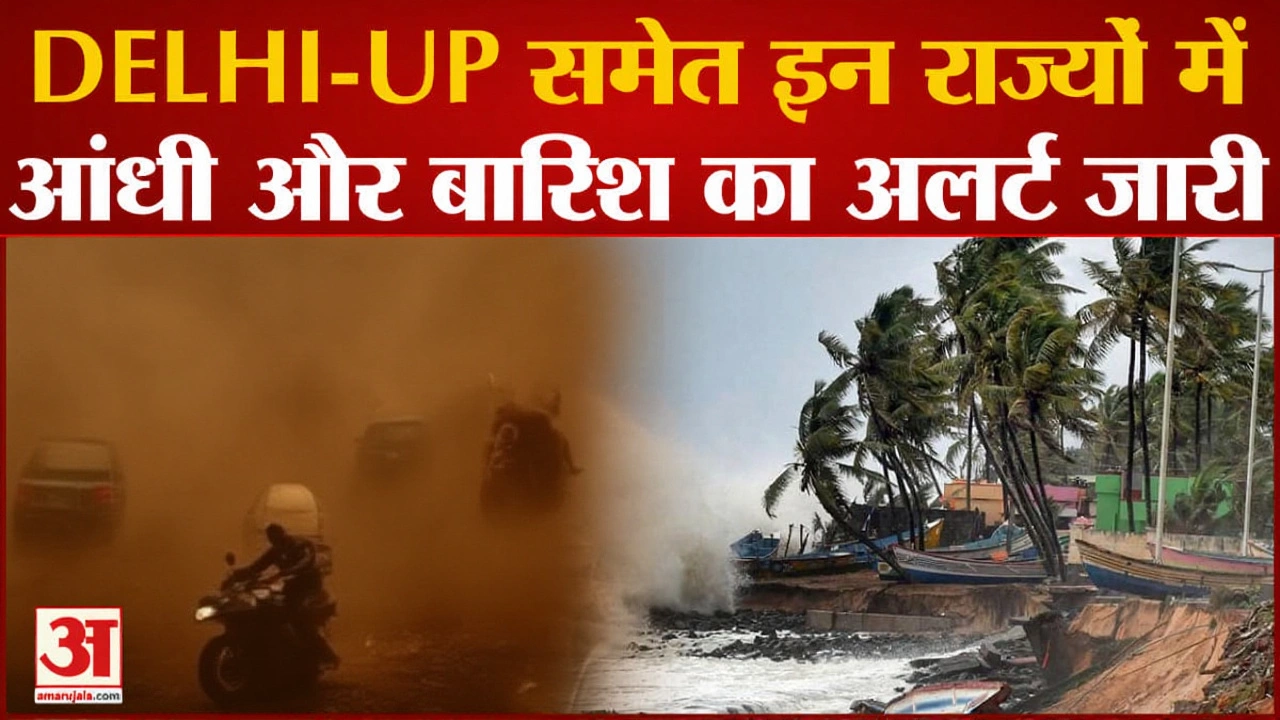
The concern is the overlap. When hot air meets incoming moisture, you get intense convective storms. These aren’t gentle drizzles; they’re violent downpours that can cause flash floods in urban areas like Delhi and Mumbai. Infrastructure not built for such volume struggles quickly.
Impact on Daily Life
If you’re in the affected zones, here’s what matters most:
- Health: Drink water even if you’re not thirsty. Watch for dizziness or nausea—early signs of heat exhaustion.
- Travel: Expect delays. Railways and airlines often adjust schedules during extreme weather events.
- Agriculture: Farmers in Rajasthan and Punjab are anxious. Too much heat kills crops; too much rain too soon can rot them.
In South India, the outlook is different. Heavy to very heavy rainfall is predicted around June 17, 2025. The IMD defines "active monsoon" status as receiving more than 20 cm of rain in 24 hours. If that threshold is crossed, the region enters full monsoon mode.
Looking Ahead
The western Himalayan region, including Himachal Pradesh and Jammu & Kashmir, will continue facing severe heatwaves for the next two days before any significant cooling occurs. After that, the intensity should drop slightly, though temperatures will remain above average.
For now, the message from authorities is clear: stay indoors during peak heat, keep emergency kits ready for power outages, and monitor local updates. The weather is unpredictable, but preparedness saves lives.
Frequently Asked Questions
When will the monsoon reach New Delhi?
While no exact date is confirmed, the IMD indicates that the monsoon system strengthening in the Bay of Bengal will influence northern India within the next week. Residents should expect pre-monsoon showers and thunderstorms before the full onset.
What does a 'red alert' mean for heatwaves?
A red alert signifies the highest level of danger, indicating that temperatures are likely to exceed 45-50°C. It advises strict precautions: avoid outdoor activities between noon and 4 PM, stay hydrated, and check on vulnerable populations like the elderly and children.
Why is the monsoon delayed this year?
Unusually high temperatures across northern India disrupted standard atmospheric pressure patterns, delaying the monsoon's arrival. However, recent activation of a low-pressure system in the Bay of Bengal suggests the delay is ending.
Which states are most affected by the current heatwave?
Rajasthan, Punjab, Haryana, and parts of Uttar Pradesh are under severe heatwave conditions. Sri Ganganagar in Rajasthan recorded some of the highest temperatures, exceeding 50°C, while Agra saw 45°C.
Is there a risk of flooding in Delhi?
Yes, there is a moderate risk. Pre-monsoon thunderstorms can bring intense, short-duration rainfall that overwhelms drainage systems. Authorities advise avoiding low-lying areas and keeping emergency contacts handy during storm warnings.